A home generator is a game-changer during power outages, keeping your lights on, appliances running, and family safe and comfortable. But installing one isn’t as simple as plugging it in!
Small mistakes can quickly turn into big problems, like safety hazards, system malfunctions, or unexpected costs. To make sure your backup power system is ready to perform when you need it most, it’s important to know what to watch out for.
In this blog, we’ll highlight the most common mistakes homeowners make during home generator installations and share practical tips for a smooth, worry-free setup.
Key Points
- A home generator provides backup power during outages, automatically keeping essential systems running.
- Choosing the right type of generator—portable, inverter, or standby—is crucial for meeting your power needs.
- Proper installation ensures safety, reliability, and compliance with local regulations.
- Common mistakes like improper placement or skipping a transfer switch can lead to safety risks and system failures.
Why Proper Home Generator Installation Matters
Installing a home generator correctly is critical for several reasons:
- Safety: A poor installation can lead to hazards like electrical fires, gas leaks, or carbon monoxide poisoning.
- Reliability: Proper installation ensures the generator activates seamlessly during an outage, providing consistent power when you need it most.
- Efficiency: A well-installed generator operates optimally, conserving fuel and reducing wear and tear.
- Code Compliance: Meeting local building and electrical codes helps you avoid legal penalties and ensures your home insurance remains valid.
- Longevity: Correct installation minimizes the risk of damage, extending the lifespan of your investment.
Common Mistakes to Avoid (and What to Do Instead)
Installing a home generator involves more than just buying a unit and plugging it in. From selecting the right equipment to ensuring proper setup, mistakes can compromise safety, efficiency, and performance. Let’s take a closer look at these common missteps and how you can avoid them.
1. Selecting the Wrong Size Generator
Mistake: Many homeowners either underestimate or overestimate their energy needs. A generator that’s too small may fail to power essential appliances, while an oversized unit can waste fuel and lead to higher costs.
Solution: A professional load assessment is essential. This evaluation calculates your household’s total energy needs, including critical appliances like refrigerators, HVAC systems, and medical equipment. Based on this data, you can select a generator with the appropriate wattage to handle your requirements without overloading or underperforming.
2. Improper Placement
Mistake: Placing the generator too close to the house or near windows, doors, or vents can result in dangerous carbon monoxide buildup inside your home. This odorless, colorless gas is a serious health hazard.
Solution: Always follow the manufacturer’s recommendations and local building codes for placement. Typically, generators should be at least 5 to 10 feet away from the home and positioned in a well-ventilated area. Additionally, install carbon monoxide detectors inside your home for an extra layer of safety.
3. Skipping a Transfer Switch
Mistake: Some homeowners connect their generators directly to their home’s electrical system without a transfer switch. This can cause backfeed, which poses a serious risk to utility workers and damages your generator or electrical system.
Solution: Install a transfer switch to ensure safe and seamless power transfer between your generator and the utility grid. Automatic transfer switches (ATS) are particularly convenient as they activate the generator immediately during an outage, while manual switches offer a cost-effective alternative.
4. DIY Installation Without Expertise
Mistake: Can you install a whole-house generator yourself? While it might seem like a money-saving option, DIY installations often result in incorrect wiring, grounding issues, or non-compliance with safety standards. This can void warranties, create electrical hazards, and lead to expensive repairs.
Solution: Hiring a licensed electrician is the best way to ensure a safe and proper installation. Professionals are familiar with local codes, can handle complex wiring, and will ensure your generator is securely connected and functioning correctly. This investment in expertise can save you significant trouble down the line.
5. Neglecting Regular Maintenance
Mistake: Once installed, many homeowners forget about their generator until the next power outage, only to find it won’t start due to old fuel, dead batteries, or worn-out parts.
Solution: Schedule regular maintenance to keep your generator in peak condition. This includes checking fuel and oil levels, cleaning air filters, testing the system periodically, and replacing any worn parts. Many manufacturers offer maintenance plans or recommendations, and professional technicians can perform more thorough inspections annually.
What Is a Home Generator?
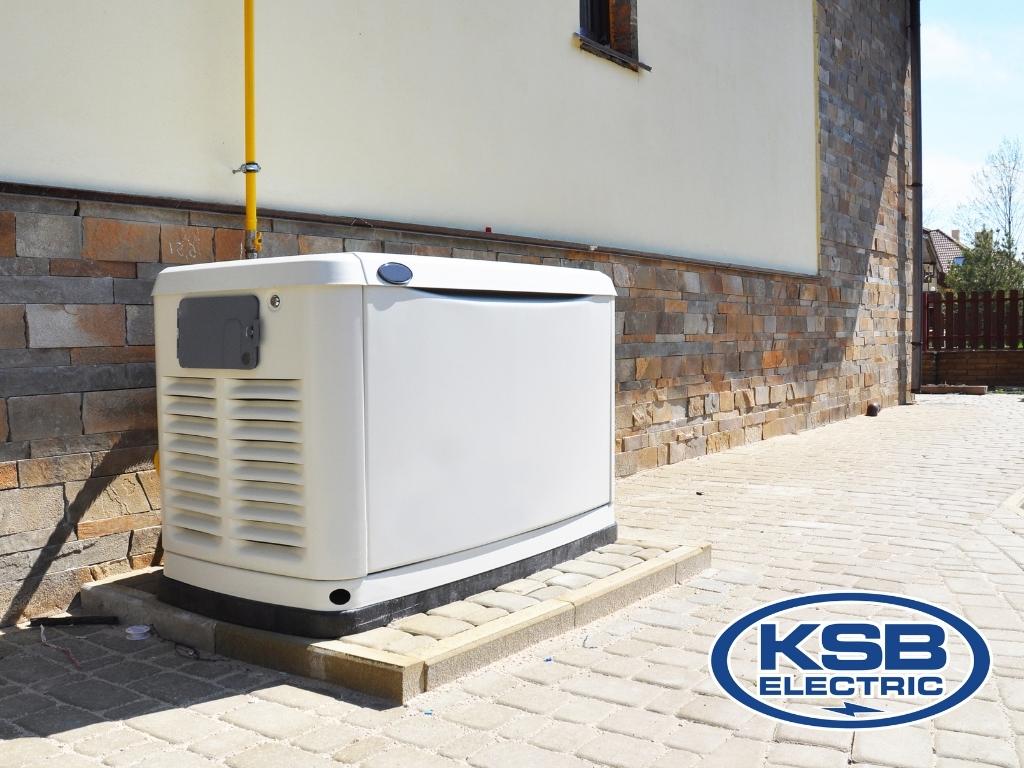
A home generator is a backup power system designed to provide electricity during outages. When the main power supply fails, the generator automatically kicks in to ensure that essential appliances, lighting, and systems continue to function.
Home generators come in various sizes and power capacities, making them suitable for anything from powering a few critical devices to supporting an entire household. They rely on fuel sources such as natural gas, propane, or diesel and are typically installed outside the home, much like an air conditioning unit.
A properly installed home generator can keep your household running smoothly, providing peace of mind during storms, grid failures, or other emergencies.
Types of Home Generators
Choosing the right type of home generator is crucial to meeting your energy needs. Here are the main types:
1. Portable Generators
Portable generators are compact, movable units that provide temporary power for small appliances and tools. They’re ideal for short-term use during emergencies but require manual setup and connection to your home.
2. Inverter Generators
Inverter generators produce clean and stable power, making them safe for sensitive electronics like laptops and smartphones. They’re quieter and more fuel-efficient than traditional portable generators but may have lower power output.
3. Standby Generators
Standby generators are permanently installed and automatically turn on during an outage. They are powerful enough to support your entire home and run on reliable fuel sources such as natural gas or propane. While more expensive, they offer seamless and hassle-free operation.
How Can KSB Electric Help?
At KSB Electric, we specialize in safe and efficient home generator installations tailored to your unique needs. Our licensed electricians will:
- Conduct a comprehensive power assessment to recommend the right generator size.
- Ensure proper placement and secure installation for optimal safety and performance.
- Handle all permitting and ensure compliance with local codes and regulations.
- Install transfer switches and other necessary components for seamless operation.
- Provide ongoing maintenance and support to keep your generator running smoothly year-round.
Whether you’re preparing for storm season or simply want peace of mind, KSB Electric is here to help you power your home with confidence. Contact us today to schedule a consultation!
Wrapping Up
A properly installed home generator ensures your family stays safe and comfortable during power outages. Avoid costly mistakes by choosing the right generator size, ensuring proper placement, and relying on professional installation.
KSB Electric is here to help—contact us today for a safe, hassle-free setup!