As our reliance on electricity grows, many homes still rely on outdated residential electrical panels that can’t handle modern demands.
An electrical panel upgrade enhances safety, boosts efficiency, and adds long-term value to your property. Read on to learn more about the basics of panel upgrades and their key benefits.
A Quick Glance
- Enhanced Safety: Upgrading your electrical panel reduces the risk of electrical fires by ensuring your system meets modern safety standards.
- Increased Capacity: A new panel can handle the higher electrical demands of today’s appliances and devices, preventing overloaded circuits and power outages.
- Improved Energy Efficiency: Modern electrical panels distribute power more efficiently, leading to lower energy bills and reduced environmental impact.
- Support for Home Upgrades: An upgraded panel prepares your home for future expansions, smart technology, and additional electrical components.
- Boosted Property Value: A modern, compliant electrical system makes your home more attractive to potential buyers, enhancing its market value.
- Code Compliance: Ensuring your panel meets the latest National Electrical Code (NEC) standards is crucial for safety and future inspections.
What is an Electrical Panel Upgrade?
The electrical panel is the central hub that distributes electricity to the various circuits in your home or business.
An electrical panel upgrade or service upgrade involves replacing your existing electrical panel (often referred to as a breaker box or fuse box) with a new one that can handle more power.
What To Expect
An electrical panel upgrade involves replacing or enhancing your existing electric panel to meet your home’s current and future electrical needs. Here’s a concise overview of the process:
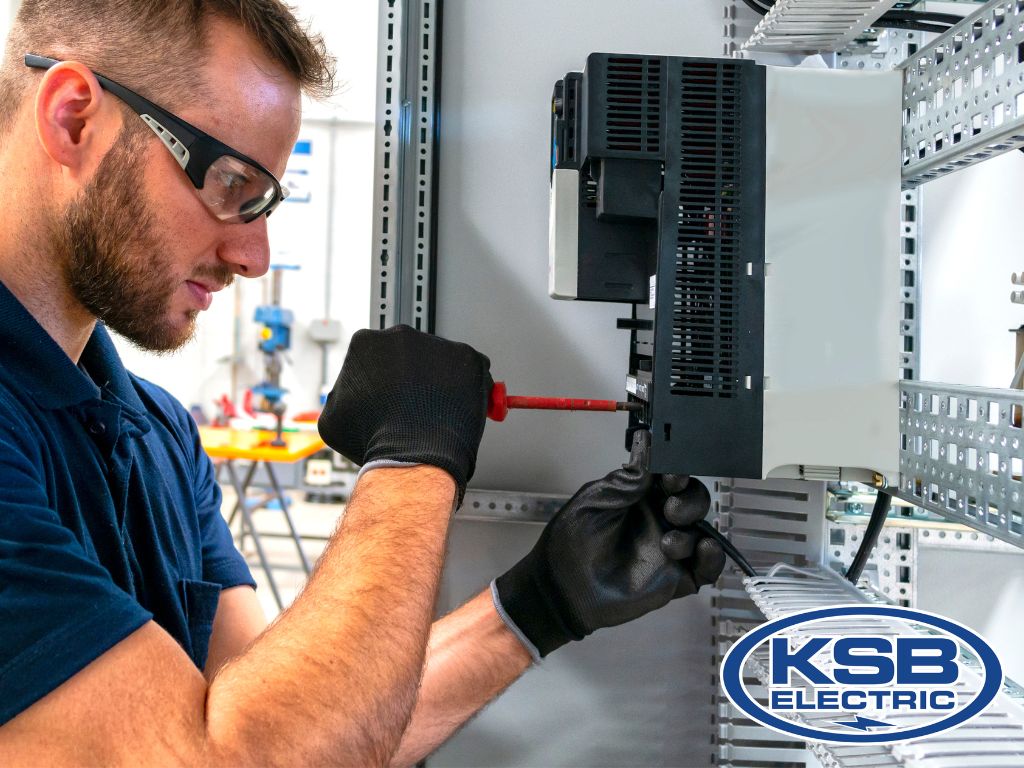
- Initial Assessment: A licensed electrician inspects your residential electrical panel, evaluates your home’s electrical needs, and recommends the appropriate electrical panel upgrades.
- Permits: The electrician obtains necessary permits to ensure the electric panel upgrade complies with local codes.
- Power Shutoff: The utility company temporarily shuts off power to your home to ensure safety during the upgrade.
- Removing the Old Panel: The old residential electrical panel is disconnected and removed to make way for the new electric panel.
- Installing the New Panel: The new electric panel is installed, connected to the main power line, and configured with the appropriate circuit breakers.
- Upgrading Wiring and Circuits: If needed, new wiring or circuits are added to support increased electrical demand.
- Testing and Inspection: The electrician tests the system to ensure proper functionality, followed by a local inspection to verify code compliance.
- Restoring Power: Power is restored to your home, and the new electric panel begins supplying electricity.
- Final Walkthrough: The electrician explains the new panel’s features and provides documentation.
This process ensures your residential electrical panel is safe, efficient, and ready to handle modern demands with the appropriate electrical panel upgrades.
Costs
The cost to upgrade your electrical panel can vary widely depending on several factors, including the size of the panel, the extent of the electrical work required, and local labor costs.
Typically, the panel upgrade cost includes the price of the new panel, installation fees, and any necessary upgrades to wiring, circuits, and other components.
Labor costs can also vary depending on the complexity of the installation and whether any additional work is required, such as upgrading the service drop, installing underground conduit, or replacing outdated wiring.
It’s essential to work with licensed electricians, like those from KSB Electric, who can provide a detailed estimate of the cost and scope of the upgrade.
Increased Electrical Capacity
One of the most significant benefits of an electrical panel upgrade is the increased capacity to handle your home’s or business’s electrical load.
Older residential electrical panels, often installed over four decades ago, were not designed to support the modern array of electronic devices and appliances we use today.
As you add new electrical power demands—such as HVAC systems, electric vehicles, or heat pumps—your existing panel may struggle to supply sufficient power, leading to overloaded circuits and tripped breakers.
Upgrading your electrical panel ensures that your electrical system can handle the increased load safely and efficiently.
This is particularly important if you’re planning a home improvement project that involves adding new electrical components or systems.
An upgraded panel with a larger panel size can distribute power more effectively, reducing the risk of circuit overloads and providing the necessary support for future expansions.
Improved Safety
Safety is a paramount concern when considering an electrical panel upgrade. Older panels, especially those equipped with fuse boxes or outdated circuit breakers, can pose significant fire risks due to their inability to handle modern electrical demands.
An old electrical panel may also have worn-out wiring and connections, increasing the likelihood of electrical fires.
A new panel not only complies with the latest National Electrical Code (NEC) standards but also offers enhanced protection through modern circuit breakers and safer wiring practices.
Certified and licensed electricians perform these upgrades, ensuring that your upgraded panel meets all safety requirements.
Additionally, replacing an old panel with a new, modern breaker panel significantly reduces the risk of electrical fires, providing peace of mind for homeowners and potential buyers alike.
Enhanced Energy Efficiency and Cost Savings
Upgrading your electrical panel can lead to increased energy efficiency and cost savings over time.
A modern electrical panel is designed to distribute electricity more efficiently, reducing energy wastage and lowering your utility bills.
This is particularly beneficial when using energy-efficient appliances or installing a heat pump.
Moreover, by upgrading to a new, energy-efficient panel, you may be able to reduce the overall cost of upgrading other components of your electrical system. This can include wiring, circuits, and even your service drop from the utility company.
Over time, these upgrades contribute to significant cost savings on your energy bills.
Support for Home Alterations
If you’re planning a home improvement project, an electrical panel upgrade is essential to ensure your electrical system can support new demands.
Whether you’re adding a new room, installing a hot tub, or upgrading to an underground service, you’ll likely need more power than your existing panel can provide.
Upgrading your panel allows you to install additional circuits and wiring, ensuring that your home’s electrical needs are met.
This is particularly important for homes looking to integrate smart home technology, solar panels, or other advanced systems in the future.
A panel upgrade also prepares your home for potential increases in electrical demand, such as charging stations for electric vehicles.
Increased Property Value
An upgraded electrical panel can significantly enhance your property’s value and appeal to potential buyers.
In the real estate market, a modern, safe, and energy-efficient electrical system is a strong selling point.
Potential buyers are often concerned about the condition of the electrical system, especially if the existing service is outdated or undersized.
By upgrading your electrical panel, you provide assurance that the electrical work in your home is up to current standards and capable of handling future demands.
This can make your property more attractive to buyers who are looking for a move-in-ready home with modern amenities.
Compliance with Current Electrical Codes
Compliance with the National Electric Code (NEC) is another critical benefit of upgrading your electrical panel. The NEC is updated regularly to reflect new safety standards and technological advancements.
An electrical service upgrade ensures that your panel meets these latest standards, reducing the risk of electrical hazards and potential code violations.
Additionally, a certified electrician will ensure that the new panel, wiring, and other components are installed correctly, following all local and national regulations.
This compliance is essential not only for safety but also for passing inspections and obtaining permits for any future electrical upgrades or home improvement projects.
Final Thoughts
Upgrading your electrical panel is a smart investment that boosts safety, efficiency, and home value. Whether you’re planning a renovation or updating your system, an electrical panel upgrade ensures your home is equipped to meet modern demands and future needs, providing peace of mind and long-term savings.
Contact KSB Electric today to schedule your electrical panel upgrade and ensure your home’s electrical system is safe, efficient, and ready for the future.