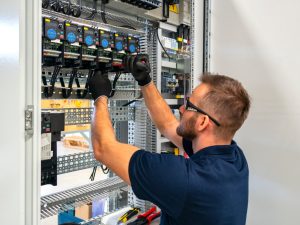
When was the last time you checked what’s going on behind your walls or inside your electrical panels? An infrared electrical inspection makes it easy to spot hidden problems before they turn into major repairs. It’s quick, non-invasive, and a smart way to protect your property without the guesswork.
Let’s take a closer look at what it involves, why it matters, and how it can protect your property long-term.
What Is an Infrared Electrical Inspection?
An infrared electrical inspection is a preventive service that uses a thermal imaging camera to detect heat patterns in electrical systems. It helps identify hidden problems before they cause system failures or safety hazards.
Electricity produces heat. When equipment operates normally, the heat remains within expected levels. But when a connection loosens, a circuit overloads, or a component begins to fail, the heat rises, often unnoticed.
Infrared cameras visualize these temperature differences. Technicians can spot:
- Loose or corroded wiring
- Overloaded breakers
- Faulty fuses
- Damaged switchgear
- Deteriorating motor controls
Why Infrared Electrical Inspection Matters for Your Property
You rely on your building’s electrical system every day. Without proactive care, small problems grow into costly repairs or downtime.
Infrared electrical inspections achieve the following:
- Detect faults without dismantling equipment
- Provide real-time insights
- Allow you to act before emergencies occur
Skipping inspections is risky. Hidden faults can trigger:
- Equipment failures
- Electrical fires
- Unplanned shutdowns
- Costly emergency repairs
If your property hasn’t been inspected in the last year, how confident are you that everything is working as it should?
What Problems Can Infrared Electrical Inspections Find?
An inspection reveals early-stage issues that typical visual checks miss. Common findings include:
- Overheating wires from loose or degraded connections
- Overloaded circuits are struggling to handle excess current
- Imbalanced electrical loads across systems
- Deteriorating transformers showing abnormal thermal patterns
- Faulty circuit breakers that no longer trip when needed
Each of these can eventually lead to service interruptions or damage. But when caught early, repairs and upgrades are often simple and affordable.
Key Areas Inspected
During an infrared electrical inspection, the technician will examine all critical systems, including:
- Electrical panels and breaker boxes
- Motor control centers
- Lighting and HVAC connections
- Switchgear and distribution systems
- Transformers and switchboards
- Backup generators and UPS systems
Each scan focuses on finding hot spots — areas of concern that could compromise safety and reliability.
How Infrared Electrical Inspections Work
The process is non-invasive and fast. Here’s how it typically unfolds:
- Pre-Inspection Review
The technician gathers details about your building’s electrical layout. - Thermal Imaging Scan
Using a high-resolution infrared camera, the technician scans accessible electrical components while they are energized. - Analysis
Thermal patterns are analyzed. Any anomalies are flagged based on severity. - Reporting:
You receive a detailed report with images, findings, and repair recommendations. - Follow-Up Plan:
Based on the report, you can schedule targeted maintenance to fix issues promptly.
How Often Should You Get an Infrared Electrical Inspection?
Frequency depends on the type of property you manage:
- Commercial Offices: Every 12 months
- Industrial or Manufacturing Plants: Every 6 months
- Data Centers or Hospitals: Quarterly
- After Major Upgrades or Repairs: Within 30 days
If your business depends on continuous uptime, a more frequent inspection schedule protects your operations.
Signs That It’s Time to Schedule an Inspection
You don’t need to wait for a problem to occur. Watch for these warning signs:
- Frequent breaker trips
- Flickering lights
- Equipment overheating
- Unusual smells near electrical rooms
- Power surges or voltage drops
Even if your systems seem fine, inspections are a smart preventive measure. Would you rather discover a $500 wiring issue now or pay $50,000 after an outage?
What You Can Expect in Your Infrared Inspection Report
After the inspection, you’ll receive a report that includes:
- Thermal images showing temperature irregularities
- A description of each issue found
- Severity ratings (urgent, moderate, minor)
- Repair recommendations
- A maintenance timeline based on priority
Why Choose KSB Electric for Infrared Electrical Inspections?
At KSB Electric, we specialize in protecting businesses with expert infrared electrical inspection services. When you work with us, you get:
- Certified infrared thermographers
- Clear, detailed reporting
- Minimal disruption to your operations
- Fast scheduling and flexible appointments
- Affordable preventive maintenance plans
We understand the risks hidden inside your electrical systems. Our inspections help you find them early, so you can focus on running your business without surprises.
Protect Your Property Before Problems Strike
Electrical systems don’t warn you when they start to fail. They simply break — often when you can least afford it. An infrared electrical inspection gives you control, saves you money, and keeps your business safe.
Schedule your inspection with KSB Electric today. Stay ahead of electrical failures, not behind them.