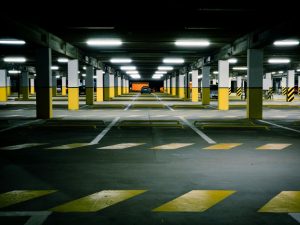
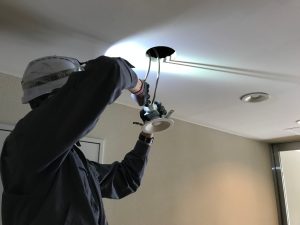
Parking lot lighting on a commercial property goes beyond visibility; it impacts safety, security, and expenses. Choosing the wrong lights can leave dark spots, waste electricity, and even drive up liability risks.
Let’s break down what really matters when you shop for commercial parking lot lights — wattage, lumens, and light distribution — so you can make smart decisions without second-guessing yourself.
Why Good Parking Lot Lighting Matters
Think about what happens after dark on your property.
- Tenants and customers need to feel safe walking to their cars.
- Drivers need clear visibility to avoid accidents.
- You want to deter trespassing and vandalism.
Done right, lighting does all of this while keeping your energy bill under control. Done wrong, you’re paying more for poor results.
Wattage: How Much Power Do You Really Need?
Wattage tells you how much energy the fixture uses, not how bright it is. With LEDs, you often get the same brightness with a fraction of the watts.
Here’s a simple guide:
- 100–150W: Small lots or areas with light traffic
- 200–300W: Medium commercial lots
- 300–450W: Large, busy lots that need strong coverage
If you’re replacing metal halide lights, dropping from 1,000W down to 300W LEDs could save up to 70% on energy costs.
Quick question: how many hours do your lights run each night? If it’s more than eight, energy savings alone might justify an upgrade.
Lumens: The Brightness That Actually Matters
While watts measure energy use, lumens measure brightness — and that’s what you should focus on.
Look for these ranges:
- 12,000–20,000 lumens: Smaller lots
- 20,000–30,000 lumens: Mid-sized commercial lots
- 30,000–40,000 lumens: High-traffic areas or spaces needing strong security
For example, a shopping center with 20 fixtures at 25,000 lumens each usually achieves 2 foot-candles, a level recommended by many lighting standards.
Light Distribution: Cover Every Corner
Distribution determines where the light goes. Get this wrong, and you’ll end up with bright spots near poles and dark patches between them.
Here’s what to know:
- Type III: Best for lighting edges and perimeters
- Type IV: Throws light forward; great for wall-mounted fixtures
- Type V: Spreads light evenly in all directions; perfect for open areas
Walk your lot at night. Where do you see shadows? Which areas feel overlit? That quick check will tell you which distribution types you need.
Pole Height and Spacing: Don’t Skip This Step
Pole height plays a big role in how evenly light spreads.
- 12–16 ft: Good for small areas or pedestrian walkways
- 20–25 ft: Standard for most commercial parking lots
- 30+ ft: Ideal for large lots where poles can be spaced farther apart
As a rule, space poles about three to four times their height. For example, 20-foot poles should be about 60–80 feet apart.
Color Temperature: Set the Right Mood
Color temperature affects how your lot feels at night.
- 4000K: Neutral white; balanced and common
- 5000K: Bright white; crisp look, great for security
- 3000K: Warm white; softer, better for mixed-use properties
Think about the impression you want to make. Is your goal maximum security or a warmer, more welcoming feel for customers?
Smart Controls: Save Money Automatically
LEDs already save energy, but controls take it a step further. Consider adding:
- Motion sensors to dim lights during quiet hours
- Photocells to shut lights off at sunrise automatically
- Dimming schedules to save energy overnight without going dark
Property managers often see an extra 30–40% savings just by adding controls.
The ROI of Upgrading
Upgrading to LED parking lot lights is one of the quickest ways to lower operating costs for a commercial property. LEDs use far less energy than metal halide or high-pressure sodium fixtures, which means significant monthly savings on your electric bill.
Take a simple example:
Replacing 20 metal halide fixtures with 300W LED equivalents can save roughly 14,000 kilowatt-hours every month. At an average electricity rate of $0.12 per kWh, that’s about $1,680 saved each month.
The benefits don’t stop there. LEDs last much longer, which means fewer replacements, less maintenance labor, and less downtime when lights go out.
How KSB Electric Can Help
KSB Electric makes upgrading your parking lot lighting easy. We handle everything from design to installation so your property stays bright, safe, and efficient.
- Review your lot layout and recommend wattage, lumens, and distribution
- Suggest pole height and color temperature for even, clear lighting
- Design systems with dimming, motion sensors, and photocells
- Provide high-quality LED fixtures with reliable warranties
- Handle installation and ongoing maintenance to prevent downtime
- Help lower energy costs and improve long-term efficiency
Bottom Line
When you’re ready to buy commercial parking lot lights, focus on the essentials: lumens for the right level of brightness, light distribution for full coverage, pole height for even illumination, and controls to maximize efficiency.
Take a walk through your lot after dark and look for areas that feel too dim or overly bright. Addressing these issues with the right LED setup can improve safety, reduce wasted energy, and lower your operating costs.