If your home is more than 30 years old, there’s a solid chance the electrical panel hasn’t kept up. That can mean safety issues, not enough power for your needs, and even problems with your insurance.
This guide lays out what an electrical panel upgrade really involves—especially for older homes—and why it’s something you don’t want to put off.
What Is an Electrical Panel?
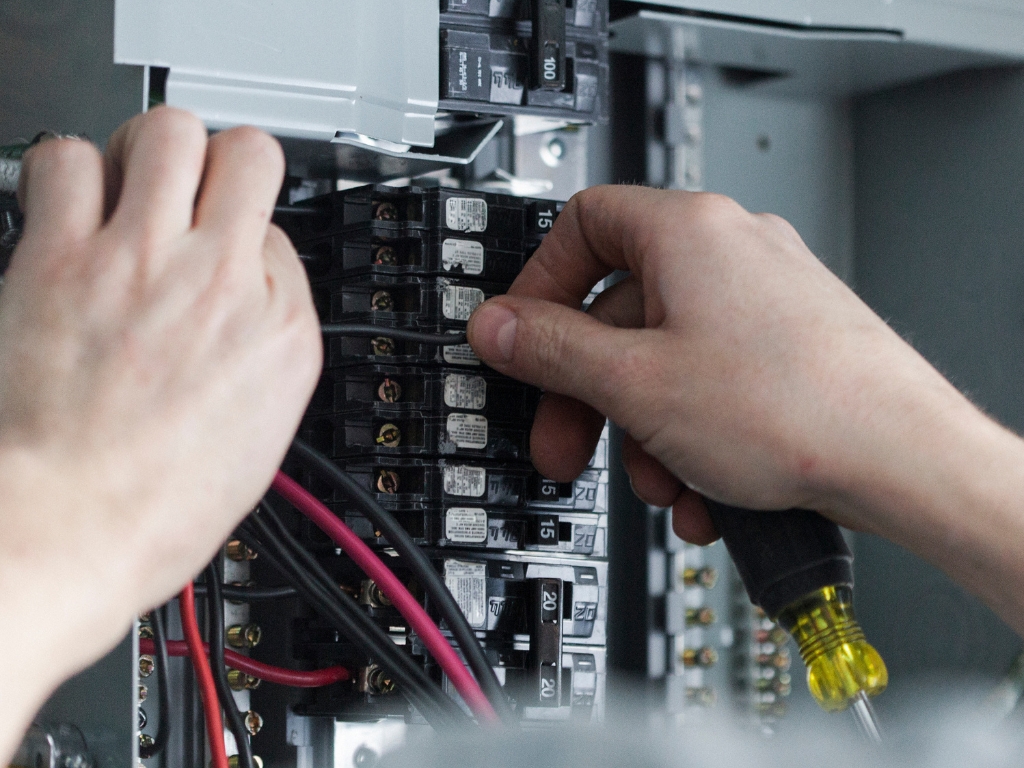
Your electrical panel is the control center for your home’s power. It distributes electricity from the main utility line to the various circuits throughout your house.
It may also be called:
- Circuit breaker box
- Breaker panel
- Service panel
If your panel is outdated, overloaded, or damaged, it can’t keep up with modern power demands. That creates risks you don’t want to ignore.
Signs You Need an Electrical Panel Upgrade
Older homes usually give you small warning signs before bigger electrical problems show up. Keep an eye out for these:
- Lights that flicker when other appliances turn on
- Frequent breaker trips when using multiple devices
- A fuse box, which is outdated and less safe than a breaker panel
- Overheating, warm-to-the-touch, or buzzing sounds from the panel
- Scorch marks or rust near the panel
- Two-prong outlets (no grounding protection)
- Insufficient breaker space for new appliances or circuits
If you’ve recently added anything like an electric vehicle charger, hot tub, or central AC, your panel may already be over capacity.
Why Older Homes Are at Greater Risk
Homes built before the 1990s were not designed for today’s power usage. Consider the devices you’re using now:
- Multiple smart TVs
- Laptops and tablets
- Gaming consoles
- Refrigerators, dishwashers, and microwaves
- High-efficiency washers and dryers
- HVAC units or mini-splits
- Electric cars and solar systems
These put a heavy load on your panel. Older panels may also use outdated materials like aluminum wiring or have worn insulation, which increases the fire risk.
Your insurance company might even refuse coverage or demand an upgrade if your system is outdated.
What an Electrical Panel Upgrade Involves
Upgrading your panel isn’t just swapping a box—it’s a complete update to how your home handles electricity. Here’s what happens during a typical upgrade:
- The power to the home is turned off.
- The electrician removes the old panel.
- A new panel is installed (usually 100 to 200 amps).
- Wiring is inspected and updated as needed.
- Breakers are added and labeled correctly.
- The system is grounded according to the current code.
- A final inspection is conducted by the city or utility provider.
Your electrician may also upgrade the meter base or coordinate with the utility company for service changes. In some cases, they’ll need to install a new grounding rod or bonding.
Electrical Panel Upgrade Cost Breakdown
Costs depend on panel size, condition of your wiring, local codes, and permit requirements. General pricing:
- 100-amp panel: $1,500 – $2,500
- 200-amp panel: $2,500 – $4,500
- Meter or service upgrade: Add $1,000 – $3,000
- Permit and inspection fees: Typically $150 – $500
If the panel needs to be relocated or if your home requires rewiring, costs will go up. A detailed quote from a licensed electrician will help avoid surprises.
What You Gain From an Upgrade
You’re not just upgrading a panel—you’re upgrading your whole home’s electrical system. Benefits include:
- Improved Safety: A new panel lowers the risk of electrical fires and overloads.
- More Capacity: It allows your home to handle modern appliances and devices.
- Fewer Outages: Upgrading helps prevent frequent breaker trips and power loss.
- Code Compliance: The new panel brings your electrical system up to current code.
- Higher Resale Value: Buyers see a modern panel as a sign of a safer, updated home.
- Insurance Eligibility: Many insurance providers require a panel that meets current standards.
These upgrades also allow you to add clean energy options like solar panels or battery backups.
Common Misconceptions About Panel Upgrades
Some homeowners assume they can avoid a full upgrade by using power strips or small subpanels. That doesn’t work if your main panel is:
- At full capacity
- Damaged or corroded
- Built with outdated safety standards
- Unsupported by your utility provider
Trying to patch the problem leads to more risk—and often more expense later on.
Should You Upgrade to 200 Amps?
Most older homes were built with 60 to 100 amps. That might have worked in the 1970s, but it’s not enough now.
A 200-amp upgrade gives you more flexibility to:
- Add electric vehicle charging
- Run large appliances simultaneously
- Renovate without electrical limits
- Add heating/cooling zones
- Install smart home systems or security tech
If you’re unsure, ask your electrician to measure your load and provide recommendations.
Choosing the Right Electrician
This job needs a licensed, experienced electrician who works with older homes.
Ask about:
- State and local licensing
- Insurance coverage
- Experience with panel upgrades
- Permit handling
- Project timeline and total cost
- Warranty on parts and labor
Also, check online reviews or ask for references. A good electrician should answer your questions clearly and explain the full process up front.
When Should You Upgrade?
Don’t wait for a major failure. Upgrading before there’s an issue can save you money and stress. Good times to upgrade:
- During a remodel
- After purchasing an older home
- Before installing new HVAC, EV chargers, or solar
- When breakers trip frequently
- If your insurance requires it
- Before listing your home for sale
An inspection can tell you whether your current panel is safe or overdue for replacement.
What to Expect on Upgrade Day
Be prepared for:
- Power shut off for 6–12 hours
- Access to panel and meter — Clear the space
- Inspector visit after the installation
- Possible delays if the utility company needs to be involved
Let your electrician know in advance if you have pets, remote work needs, or any equipment that must stay powered.
Final Word: Is It Worth It?
If your panel is old, limited, or unsafe, upgrading is worth the cost.
You’ll avoid future repairs, reduce fire risk, and give your home the capacity to keep up with your lifestyle.
Ready to Upgrade? Start With a Free Inspection
KSB Electric specializes in safe, code-compliant panel upgrades for older homes. We handle everything from permitting to inspection. You’ll get a clear quote, reliable service, and peace of mind.
Call KSB Electric today or book online to schedule your home electrical inspection!