Ever had your outdoor lights flicker at the worst possible moment or refuse to turn on altogether? We’ve all been there, and it’s frustrating! Outdoor lighting is key to keeping your business safe, welcoming, and looking its best, so when issues pop up, you need quick solutions.
Don’t worry—we’ve got you covered. In this guide, KSB Electric will help you troubleshoot the most common outdoor lighting problems and get your business back to glowing in no time.
Key Points
- Outdoor lighting is essential for enhancing safety, functionality, and aesthetics in both residential and commercial spaces.
- Common issues, like lights not turning on, flickering, or staying on during the day, often have simple fixes, such as checking connections, replacing sensors, or upgrading bulbs.
- Regular maintenance, including cleaning fixtures, inspecting wiring, and using quality equipment, helps extend the life of your lighting system and prevents costly repairs.
What Is Outdoor Lighting?
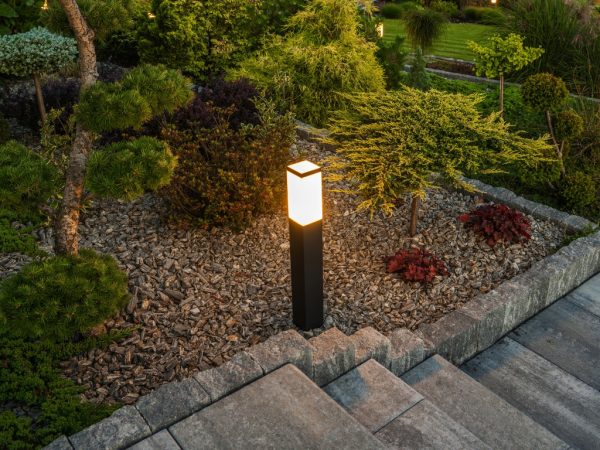
Outdoor lighting refers to any light fixture installed outside to illuminate areas such as walkways, driveways, patios, gardens, or parking lots. These lights serve multiple purposes, including enhancing safety by deterring intruders, increasing visibility during nighttime, and adding aesthetic value to outdoor spaces. Common types of outdoor lighting include motion-sensor lights, landscape lighting, floodlights, and solar-powered fixtures.
Why Is Outdoor Lighting Important?
Outdoor lighting brings numerous benefits to both homes and businesses, making outdoor spaces safer, more functional, and visually appealing. Here’s how the right lighting enhances properties after dark.
- Safety and Security: Proper lighting deters potential intruders and prevents accidents caused by poor visibility.
- Aesthetic Appeal: Illuminating outdoor spaces highlights architectural features and landscaping designs.
- Functionality: Outdoor lighting ensures outdoor spaces can be used during evenings or at night.
- Energy Efficiency: Advances in lighting technology, such as LED and solar-powered lights, provide eco-friendly and cost-effective solutions.
Outdoor lighting systems are built to handle tough outdoor conditions like rain, wind, and changing temperatures. But even the most durable setups can run into issues over time—whether it’s from regular wear and tear, electrical glitches, or environmental factors.
The good news? Troubleshooting these problems can keep your lights working just as they should, so your outdoor spaces stay safe, bright, and inviting.
Common Outdoor Lighting Issues and Quick Fixes
Outdoor lighting issues can be frustrating, but many of them are surprisingly easy to fix. Here’s a look at some common problems and simple steps to resolve them quickly.
1. Lights Won’t Turn On
When outdoor lights fail to turn on, the most likely culprit is a power supply problem. A tripped circuit breaker can interrupt the flow of electricity to the fixture, rendering it inoperable.
Alternatively, loose or disconnected wiring within the fixture may disrupt the connection, preventing the light from working. Sometimes, the simplest explanation is a burnt-out bulb, especially if the fixture hasn’t been serviced recently.
How to Fix It
- Start by checking the circuit breaker and resetting it if necessary.
- Inspect the light fixture for loose or disconnected wiring and tighten as needed.
- Replace the bulb with a new one to rule out any issues with the light source itself. If the problem persists, consult an electrician to investigate deeper electrical concerns.
2. Flickering Lights
Flickering lights are usually caused by loose or frayed wiring, which can create an intermittent electrical connection. Poor connections within the bulb socket or fixture can also result in flickering, as can voltage fluctuations in the electrical system.
Additionally, if the transformer is underpowered for the number of fixtures connected, it may fail to deliver a consistent power supply, leading to flickering.
How to Fix It
- Ensure all connections are secure, including the bulb and wiring within the fixture.
- Check for signs of wear or damage in the wiring and repair or replace as needed.
- If voltage issues are suspected, consult a professional to assess the transformer and electrical load.
3. Lights Are Too Dim
Dim lighting often points to one of three issues: the bulbs, the fixture, or the power supply. Low-quality or outdated bulbs may not provide sufficient brightness, while dirty or fogged fixtures can obstruct light output.
An insufficient power supply or an overloaded circuit can also limit the energy available to the fixture, resulting in a weaker glow.
How to Fix It
- Upgrade to high-lumen LED bulbs for brighter and more efficient illumination.
- Clean the light fixtures to remove any dirt, debris, or moisture affecting light output.
- Check the power supply and ensure it is capable of supporting the required wattage for the fixture.
4. Timer or Sensor Issues
Timers and motion sensors can malfunction for several reasons. Improper settings are a common issue, where the device is not configured correctly to match the property’s needs.
Dirt, debris, or other obstructions can block the motion sensor’s field of view, preventing it from detecting movement. Physical damage from weather or wear over time can also impact their performance.
How to Fix It
- Reset the timer or motion sensor to its factory settings and reconfigure as needed.
- Inspect the motion sensor’s field of view for obstructions like dirt, plants, or debris and clear them away.
- If the problem persists, replace the sensor or timer module to restore functionality.
5. Short Lifespan of Bulbs
Bulbs that burn out quickly often suffer from environmental or electrical stress. Overvoltage can overload the bulb, causing it to fail prematurely.
Similarly, low-quality or indoor-rated bulbs are not designed to withstand outdoor conditions like temperature fluctuations or moisture exposure. Excessive vibration, such as from wind or unstable fixtures, can also damage the filament or structure of the bulb.
How to Fix It
- Switch to durable, outdoor-rated bulbs designed to withstand environmental conditions.
- Ensure the voltage supply matches the bulb’s specifications to avoid overloading.
- Secure the fixture to minimize vibration that could damage the bulb.
6. Lights Staying On During the Day
Lights that remain on during daylight hours typically indicate an issue with the photocell sensor or timer. Photocells can malfunction if they are dirty, damaged, or positioned incorrectly. In some cases, incorrect timer settings can prevent lights from turning off as scheduled.
Environmental factors like shade from nearby trees or structures can also interfere with sensor functionality.
How to Fix It
- Check the timer and adjust the schedule to ensure the lights only operate at night.
- If the photocell sensor is damaged or malfunctioning, replace it with a new one designed for outdoor use.
- Clean the sensor to remove dirt or debris that might interfere with its operation.
7. Uneven Lighting or Shadows
Uneven lighting or unwanted shadows are often caused by poor fixture placement. If lights are positioned too far apart or at inconsistent angles, they may fail to provide uniform coverage.
Additionally, mismatched bulbs with varying brightness levels can create an unbalanced appearance. Overgrown plants, trees, or structures may also block light and cast shadows.
How to Fix It
- Adjust the positioning of the fixtures to ensure even coverage of the area.
- Replace mismatched bulbs with ones of the same brightness and type to maintain consistency.
- Trim or remove any plants or obstacles casting unwanted shadows.
What maintenance does outdoor lighting need?
Proper maintenance is key to keeping your outdoor lighting functional, efficient, and looking its best. With a few simple steps, you can extend the life of your fixtures and ensure your outdoor spaces remain safe and beautifully lit.
1. Perform Routine Inspections
Regularly check for damaged wires, loose connections, and burnt-out bulbs to prevent larger issues.
2. Clean Fixtures Regularly
Dirt, debris, and moisture can diminish the effectiveness of outdoor lights. Use a soft cloth and non-abrasive cleaner to maintain fixtures.
3. Invest in Quality Equipment
Choose outdoor-rated fixtures and bulbs designed to withstand harsh weather and environmental conditions.
4. Use Surge Protectors
Protect your lighting system from power surges by installing surge protectors. This is especially important for areas prone to storms.
5. Hire a Professional
For complex issues or installations, working with a licensed electrician ensures safety and optimal performance.
Call KSB Electric Today!
Outdoor lighting is an essential component for safety, aesthetics, and functionality, but issues can arise over time. By troubleshooting common problems like flickering lights or power interruptions, you can restore your lighting system’s performance quickly.
For more complex repairs or upgrades, trust the professionals at KSB Electric to ensure your outdoor lighting is safe, efficient, and long-lasting.