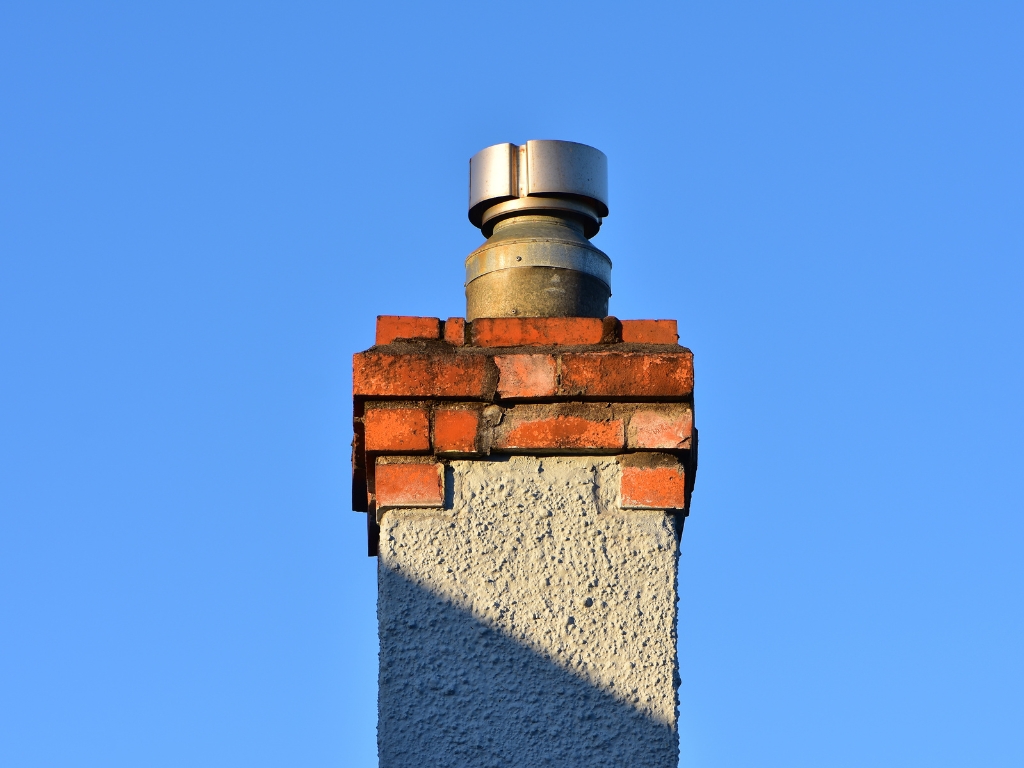
A chimney flue liner plays a critical role in directing smoke and harmful gases outside while protecting the chimney structure from heat and corrosion. Yet many homeowners overlook it because it remains hidden inside the flue.
According to the U.S. Environmental Protection Agency, citing NFPA data, the leading factor contributing to home heating fires is failure to clean chimneys, primarily due to creosote buildup. Understanding the difference between a lined and unlined chimney can help you make informed decisions about maintenance, safety, and long-term chimney performance.
What Is a Chimney Flue Liner?
A chimney flue liner is a protective layer installed inside the chimney flue. Its primary purpose is to safely channel smoke, gases, and heat from your fireplace or heating appliance to the outdoors.
Common chimney flue liner materials include:
- Clay tile liners
- Stainless steel liners
- Cast-in-place liners
Each option serves the same basic purpose but offers different levels of durability, efficiency, and compatibility with various heating systems.
What Happens Inside a Chimney With a Flue Liner?
A properly installed chimney flue liner creates a safer and more efficient chimney system.
First, it helps contain high temperatures within the flue. When a fire burns, the liner prevents excessive heat from transferring to nearby combustible materials inside the home.
Second, the liner improves airflow. Smoke, carbon monoxide, and other combustion gases travel more efficiently through a smooth, properly sized flue. This reduces the likelihood of smoke backing up into your living space.
A chimney flue liner also helps manage moisture and creosote buildup. Moisture and acidic byproducts can damage masonry over time, but the liner acts as a protective barrier that reduces direct exposure.
Finally, the liner extends the life of the chimney by protecting bricks and mortar from heat, moisture, and corrosive gases.
What Happens Inside a Chimney Without a Liner?
An unlined chimney faces several challenges that can compromise both safety and performance.
Without a liner, heat is transferred directly to the masonry. Over time, repeated heating and cooling cycles can cause cracks in bricks and mortar joints. These openings may allow heat to reach surrounding combustible materials.
Toxic gases are another concern. Carbon monoxide and smoke can escape through damaged masonry and enter living areas instead of exiting through the chimney.
Moisture also becomes a bigger problem. Combustion produces acidic gases that combine with moisture and gradually deteriorate masonry materials. This often leads to costly repairs.
Additionally, rough interior surfaces can trap creosote more easily. Since creosote is highly combustible, excessive buildup increases the risk of chimney fires.
Is a Chimney Flue Liner Necessary?
In most cases, yes.
Modern building codes typically require chimney liners because they improve safety and help heating appliances perform properly.
A chimney flue liner provides several benefits:
- Reduces fire hazards
- Improves draft performance
- Enhances appliance efficiency
- Protects chimney masonry
- Extends the lifespan of the chimney
Liners are especially important for wood-burning fireplaces, wood stoves, gas appliance conversions, and older masonry chimneys.
Even if your chimney was originally built without a liner, installing one can significantly improve safety and performance.
Can I Use My Chimney Without a Liner?
The answer depends on local building codes and the condition of the chimney.
Some older homes may still have functioning unlined chimneys. However, functioning and safe are not always the same thing.
Using a chimney without a liner can increase the risk of:
- Chimney fires
- Carbon monoxide exposure
- Masonry deterioration
- Poor drafting
- Code compliance issues
Because many problems develop inside areas that cannot be seen from the fireplace opening, a professional inspection is often the best way to evaluate the condition of an unlined chimney.
Chimney Flue Liner vs. No Liner: A Quick Comparison
When comparing a chimney with a flue liner to one without, the differences become clear over time. A properly installed chimney flue liner helps contain heat, improve draft performance, and safely vent smoke and combustion gases outside the home.
It also creates a protective barrier that shields the chimney’s masonry from moisture, acidic byproducts, and everyday wear.
An unlined chimney may seem functional at first, but problems can develop behind the scenes. Heat can transfer directly to the masonry, increasing the risk of cracks and deterioration.
Smoke, moisture, and corrosive gases can also damage mortar joints and chimney walls, leading to structural issues that are often expensive to repair. In some cases, gaps in deteriorated masonry may even allow harmful gases to enter the home.
Over the long term, a lined chimney typically requires fewer major repairs and provides greater peace of mind. While both systems may perform the same basic function of venting smoke, a chimney flue liner adds an important layer of protection that improves safety, efficiency, and the overall lifespan of the chimney.
Signs Your Chimney May Need a New Flue Liner
A chimney flue liner is designed to withstand years of exposure to heat, moisture, and combustion byproducts, but it will not last forever. Over time, normal wear and tear can cause the liner to crack, corrode, or deteriorate, reducing its ability to safely vent smoke and gases. Recognizing the warning signs early can help prevent more extensive chimney damage and reduce potential safety risks.
- Cracked flue tiles: Cracks in clay flue tiles can allow heat and combustion gases to escape into surrounding areas of the chimney.
- Pieces of tile or mortar in the fireplace: Debris inside the fireplace often indicates that the liner or chimney structure is deteriorating.
- Rust stains around the chimney: Rust can signal excessive moisture inside the flue, which may damage the liner over time.
- Smoke entering the home: Poor venting caused by a damaged liner can allow smoke to back up into living spaces.
- Persistent odors: Lingering smoky or musty smells may indicate creosote buildup or moisture problems within the flue.
- Excessive creosote buildup: Large amounts of creosote can suggest venting issues that may be linked to a failing chimney flue liner.
These warning signs should not be ignored, as they may indicate that the liner is no longer providing the protection your chimney system needs.
Why Professional Chimney Inspections Matter
Many chimney liner problems are impossible to identify without specialized equipment. Professional chimney inspections often include video camera technology that allows technicians to examine the entire flue system. This helps uncover cracks, gaps, moisture damage, and other hidden issues before they become major safety concerns.
Routine inspections can also help homeowners address minor problems early, potentially avoiding costly repairs later. If you’re unsure about the condition of your chimney flue liner, Neighborhood Chimney Services can perform a thorough inspection and provide expert recommendations to help keep your chimney operating safely and efficiently.
Conclusion
The difference between a chimney flue liner and no liner goes far beyond smoke ventilation. A properly functioning liner protects your home from fire hazards, improves heating efficiency, and helps preserve the structural integrity of your chimney.
While some older chimneys may still operate without a liner, the risks often outweigh the perceived savings. If you’re unsure whether your chimney has a liner or whether the existing liner is in good condition, scheduling a professional inspection is a smart next step.