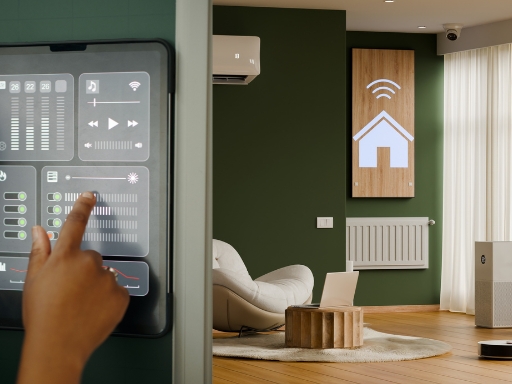
Smart homes are increasing electrical demand in ways older systems were never designed to handle. Devices like EV chargers, smart appliances, and home automation systems place constant pressure on outdated electrical panels, often leading to overloaded breakers, flickering lights, and inconsistent power.
According to the National Fire Protection Association (NFPA), electrical distribution systems are involved in an estimated 46,700 home fires each year in the United States.
That is why electrical panel replacement has become an important upgrade for modern homes. It helps improve safety, support today’s technology, and prepare homes for future power demands.
What Is an Electrical Panel and Why Does It Matter?
Your electrical panel controls how electricity moves throughout your home. It receives power from the utility company and distributes it safely to individual circuits.
Every outlet, appliance, light fixture, and smart device depends on this system to function properly. Circuit breakers inside the panel help prevent overheating by shutting off power when circuits become overloaded.
Older electrical panels were designed for a completely different lifestyle. Decades ago, most homes operated with far fewer electrical devices. Families relied on basic appliances, limited electronics, and minimal power usage throughout the day.
Modern households are very different. Today’s homes often include:
- Smart TVs
- Wi-Fi routers
- Home office equipment
- Security cameras
- Smart thermostats
- Gaming systems
- Electric vehicle chargers
- Automated lighting systems
All of these devices increase the amount of electricity flowing through the home daily. Over time, older electrical panels struggle to keep up with the demand.
How Smart Homes Increase Electrical Demand
Smart technology depends on constant connectivity. Many devices continue operating even when homeowners are not actively using them.
For example, security systems monitor activity around the clock. Smart thermostats adjust temperatures automatically throughout the day. Voice assistants stay connected, waiting for commands, while smart appliances continuously run background functions.
This constant energy usage adds pressure to the electrical system every hour of the day.
Electric Vehicle Chargers Require Significant Power
Electric vehicles are becoming more common, but charging systems place a heavy load on residential electrical panels.
Level 2 EV chargers require dedicated circuits and consume far more electricity than standard household devices. In many cases, older 100-amp electrical panels cannot safely support EV charging alongside the rest of the home’s electrical needs.
Without enough panel capacity, overloaded circuits become more frequent.
Modern Appliances Use More Energy
Many modern appliances also demand more power than older models. Tankless water heaters, induction cooktops, large HVAC systems, and entertainment centers all increase electrical usage significantly.
Even home offices contribute to rising power demands. Multiple monitors, desktop computers, routers, printers, and charging stations can place unexpected strain on older electrical systems.
Signs Your Home May Need Electrical Panel Replacement
Many homeowners do not realize their electrical panel is outdated until problems start affecting daily life. Recognizing the warning signs early can help prevent expensive repairs and dangerous situations.
- Frequent Breaker Trips
Circuit breakers shut off power when circuits become overloaded. If breakers trip regularly, your electrical panel may no longer handle your home’s power demand safely.
- Flickering or Dimming Lights
Lights that flicker or dim when appliances turn on often signal an overloaded electrical system. This issue is common in homes with aging electrical panels.
- Burning Smells Near the Panel
A burning smell near the electrical panel should never be ignored. It may indicate damaged wiring, overloaded circuits, or failing breakers.
- Warm or Overheating Electrical Panels
An electrical panel should not feel warm to the touch. Excess heat can point to serious electrical problems that require immediate professional inspection.
- Limited Capacity for New Technology
Older electrical panels often lack room for additional circuits needed for EV chargers, solar systems, or smart home upgrades. Without enough capacity, installing modern technology may become unsafe or impossible.
Improving Smart Home Performance
Electrical panel replacement does more than improve safety. It also helps modern technology operate more efficiently and reliably.
- Better Power Distribution
Modern electrical panels are built to handle larger electrical loads more efficiently. They distribute power evenly throughout the home, reducing strain on circuits and lowering overload risks.
- Improved Safety
Updated electrical panels include modern safety features that older systems often lack. Replacing outdated equipment helps reduce fire risks and improve overall electrical reliability.
- Future-Proofing Your Home
A modern electrical panel prepares your home for future technology upgrades. It gives you the capacity needed for EV chargers, solar systems, and additional smart devices.
- Increased Property Value
Homebuyers often pay close attention to a home’s electrical system during inspections. An upgraded electrical panel helps improve buyer confidence and reduces concerns about future repair costs.
How Much Does It Cost to Replace an Electric Panel?
Electrical panel replacement costs depend on the panel size, labor, permits, and the condition of your existing electrical system. Upgrading to a 200-amp or smart panel usually costs more, especially in older homes that need wiring updates.
Other factors like permit fees, rewiring, and utility coordination can also affect the final price. While replacement requires an upfront investment, delaying the upgrade can lead to higher repair costs, appliance damage, and increased fire risks over time.
Choosing the Right Electrical Panel for a Smart Home
Every home has different electrical needs. Choosing the right panel depends on how much power your household currently uses and how much capacity you may need in the future.
Understanding Amperage Requirements
Many older homes still operate with 100-amp service. However, smart homes with EV chargers, larger HVAC systems, and multiple connected devices often require 200-amp panels for safe operation.
Electricians evaluate several factors when determining the right panel size, including:
- Home size
- Appliance usage
- EV charging requirements
- HVAC systems
- Solar integration
- Future expansion plans
Smart Panels vs Traditional Panels
Smart electrical panels are becoming increasingly popular because they offer advanced energy monitoring features. Homeowners can track power usage, manage circuits remotely, and identify areas of wasted energy directly from mobile apps.
Why Professional Installation Matters
Electrical panel replacement is not a DIY project. Electrical work involves serious safety risks and must meet local building code requirements.
Licensed electricians ensure the system is installed properly, inspected correctly, and capable of handling your home’s electrical demand safely.
Conclusion
Smart homes are placing more demand on electrical systems than ever before. Electrical panel replacement helps improve safety, support modern technology, and reduce the risk of overloaded circuits and power issues.
If your home experiences frequent breaker trips, flickering lights, or struggles to handle new devices, it may be time for an upgrade. Contact KSB Electric today to schedule an inspection and make sure your electrical system is ready for modern living.